What Full-Service Wedding Planning Really Means (And Why It’s Not for Everyone)
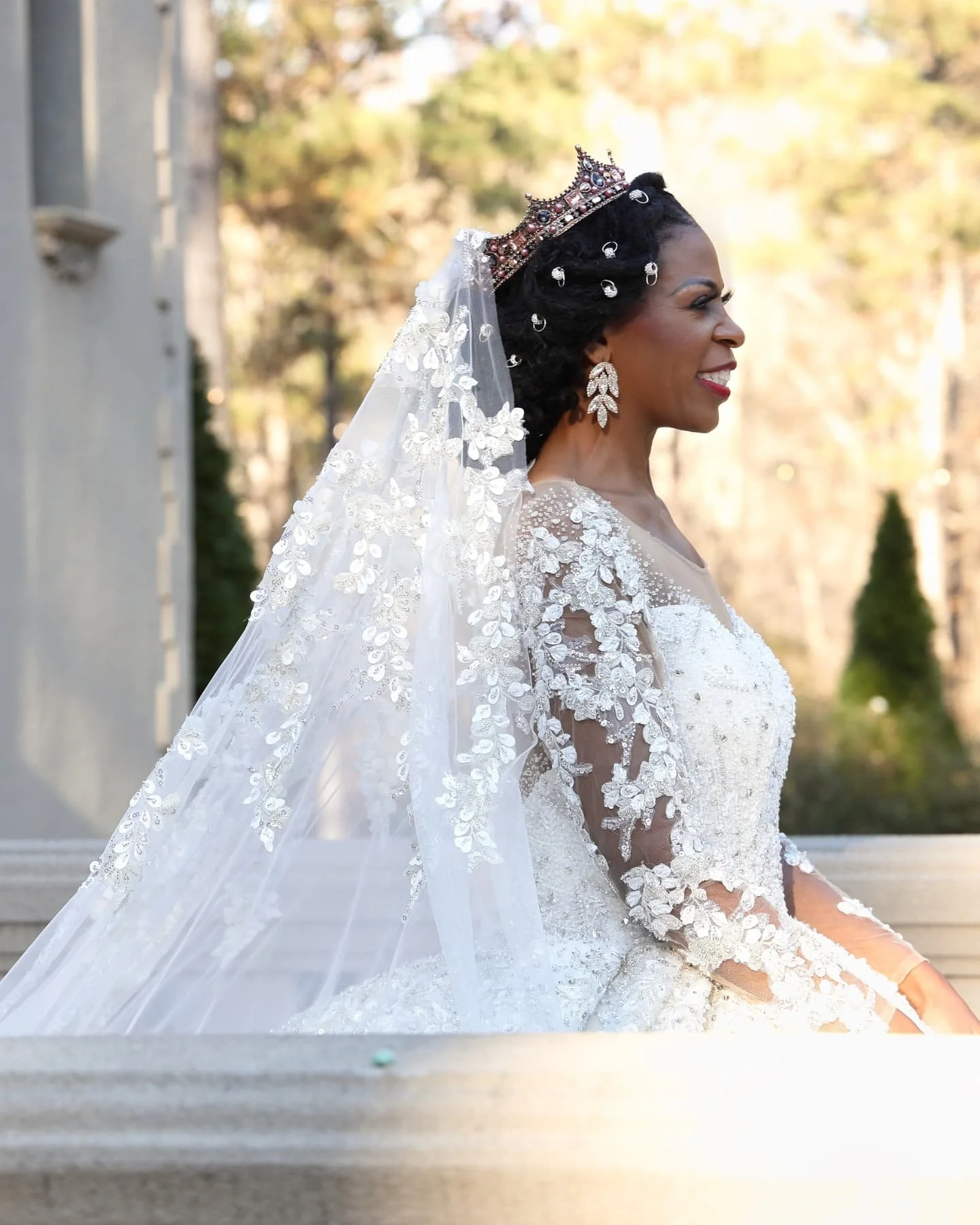
When couples search for a full-service wedding planner, they often assume it simply means “help with everything.” In reality, true full-service planning is not about volume—it’s about responsibility.
At Shuman Koutory Worldwide, full-service planning means assuming leadership of the entire planning process, from inception through execution. This approach is intentional, structured, and designed for clients who value clarity, discretion, and informed decision-making.
Full-Service Planning Is Leadership, Not Support
Full-service planning is frequently misunderstood as an assistant-style role—answering emails, presenting endless options, and waiting for approval. That model places the burden of decision-making back on the client.
Our philosophy is different.
We do not operate as support to client-led decision-making. We provide structure, guidance, and authority throughout the engagement. Our role is to interpret vision, translate priorities into action, and guide each decision at the appropriate time.
Clients engage us because they trust professional judgment—and because they understand that confidence comes from a disciplined process.
What Full-Service Wedding Planning Includes
While logistics vary depending on scale, culture, and destination, full-service planning typically includes:
Strategic planning from engagement to wedding weekend
Curated vendor selection based on experience and alignment
Budget strategy and financial oversight
Design direction rooted in intention, not trend
Timeline architecture and logistical orchestration
Guest experience planning across multiple events
On-site execution with discretion and foresight
For destination and multicultural weddings, this level of planning is not optional—it is essential.
Why Full-Service Planning Is Ideal for Destination & Multicultural Weddings
Destination and multicultural weddings introduce layers of complexity:
multiple locations, cultural traditions, travel logistics, extended timelines, and diverse stakeholder expectations.
Luxury, in this context, is not excess—it is order.
A structured planning process ensures:
Cultural elements are honored with accuracy and respect
Decisions are made intentionally, not reactively
Time zones, travel schedules, and vendor coordination are handled seamlessly
Clients remain present, assured, and protected from overwhelm
Who Full-Service Planning Is (and Is Not) For
Full-service planning is ideal for clients who:
Are busy, discerning, and intentional with their time
Value expertise over crowdsourced opinions
Prefer confidence in the process over constant involvement
Understand that excellence is repeatable through systems
It is not for clients who want to control every decision or manage planning independently.
The Difference Between Busy and Well-Managed
Luxury is not the absence of complexity.
Luxury is moving through complexity with clarity and ease.
Full-service planning allows creativity to exist without chaos, supported by structure, foresight, and leadership at every stage.